
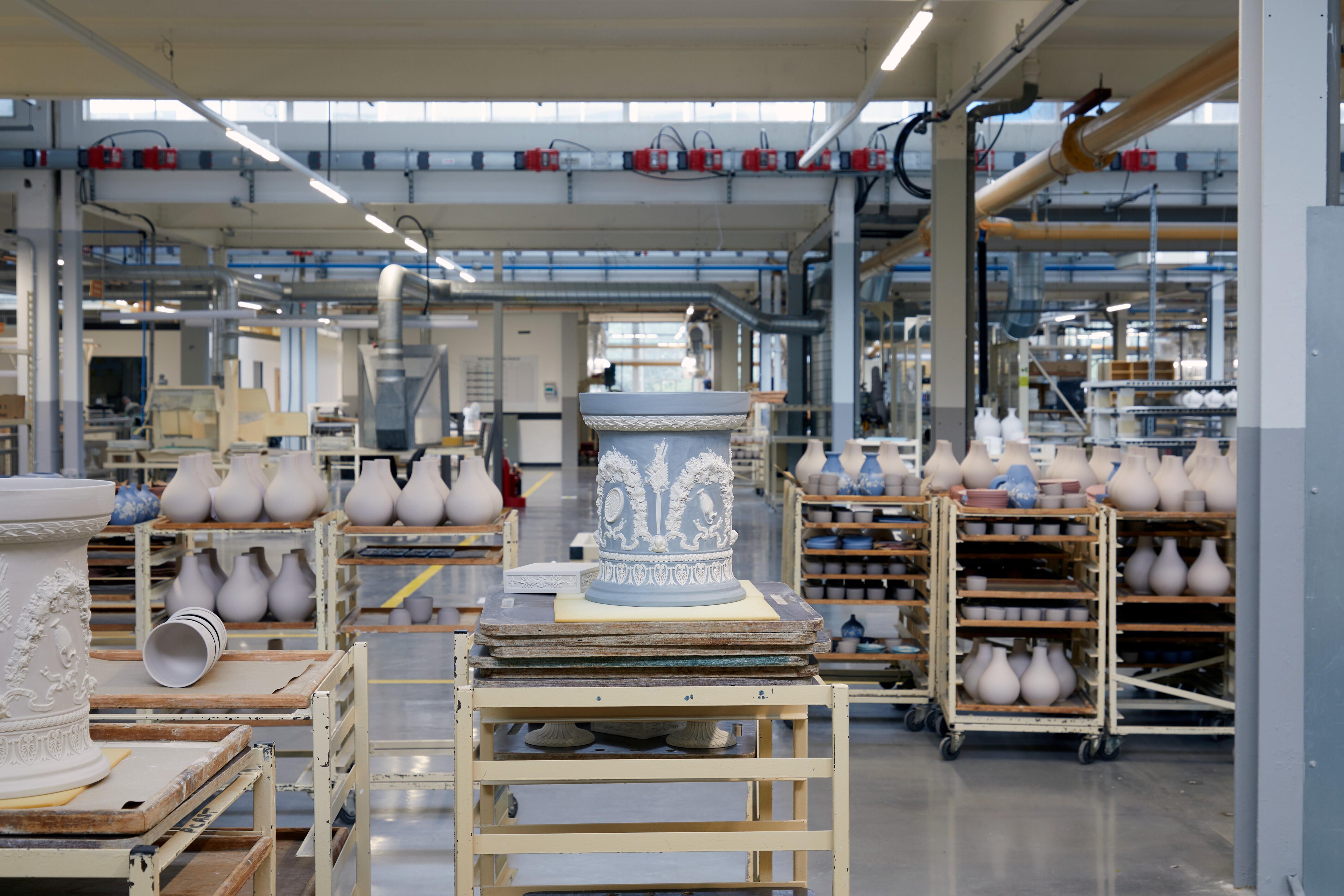
Neoclassicism เป็นแนวคิดทางศิลปะที่สำคัญมากในยุโรปช่วงปลายศตวรรษที่ 18 ถึงต้นศตวรรษที่ 19 โดยเกิดขึ้นควบคู่กับ Age of Enlightenment
แนวคิดนี้สะท้อนการกลับไปชื่นชมศิลปะกรีกและโรมันโบราณ พร้อมทั้งเน้น “เหตุผล ความเป็นระเบียบ และความสมดุล”
เซรามิกในยุคนี้จึงไม่ได้เป็นเพียงของใช้ แต่กลายเป็นเครื่องมือที่สะท้อนรสนิยมและความคิดทางวัฒนธรรมของสังคม
อิทธิพลของยุค Enlightenment ต่อการออกแบบ

ยุค Enlightenment เป็นช่วงที่ผู้คนให้ความสำคัญกับเหตุผล วิทยาศาสตร์ และความชัดเจน
สิ่งนี้ส่งผลต่อการออกแบบเซรามิกอย่างชัดเจน เช่น:
- เน้น ความสมมาตร (Symmetry)
- รูปทรงเรียบง่าย มีโครงสร้างชัดเจน
- ลดการตกแต่งที่ฟุ่มเฟือย
- ได้แรงบันดาลใจจากกรีกและโรมันโบราณ
เซรามิกจึงกลายเป็นสิ่งที่สะท้อน “ความรู้และรสนิยม” มากกว่าการใช้งานเพียงอย่างเดียว
ลักษณะของเซรามิก Neoclassicism
1. รูปทรงคลาสสิก
เช่น แจกันทรง amphora หรือ urn ที่ได้แรงบันดาลใจจากโบราณคดี

2. ความสมมาตรและความเป็นระเบียบ
ดีไซน์มักมีความสมดุลทั้งสองด้าน
3. การตกแต่งที่เรียบแต่มีความหมาย
ลดลวดลายที่ซับซ้อน แต่เลือกใช้รายละเอียดที่มีคุณค่า
4. ลวดลายคลาสสิก
เช่น
- เรื่องราวเทพปกรณัม
- ใบลอเรล
- เสาและองค์ประกอบสถาปัตยกรรม

5. โทนสีสุภาพ
เช่น สีขาว ครีม ฟ้าอ่อน และทองอ่อน
บุคคลสำคัญ

บุคคลสำคัญในวงการนี้คือ Josiah Wedgwood
เขาเป็นผู้พัฒนาเซรามิกที่ผสมผสานระหว่างศิลปะและอุตสาหกรรม และสร้างวัสดุที่มีชื่อเสียงอย่าง Jasperware
ผลงานของเขามีเอกลักษณ์คือ
- ความเรียบหรู
- ผิวด้าน
- ลวดลายปั้นนูนแบบคลาสสิก

ความสำคัญทางวัฒนธรรม
ในยุคนี้ การมีเซรามิก Neoclassic ไม่ใช่แค่เรื่องของการใช้งาน
แต่ยังสะท้อนว่าเจ้าของมี:
- ความเข้าใจในแนวคิดยุค Enlightenment
- ความรู้ด้านศิลปะและประวัติศาสตร์
- รสนิยมที่ดี
อิทธิพลในยุคปัจจุบัน
แนวคิด Neoclassicism ยังคงมีอิทธิพลในปัจจุบัน เช่น
- ดีไซน์เรียบ หรู
- รูปทรงสมดุล
- ความ timeless
แบรนด์เซรามิกสมัยใหม่จำนวนมากยังคงใช้แนวคิดนี้ในการออกแบบสินค้า
สรุป
Neoclassicism ทำให้เซรามิกก้าวข้ามจากของใช้ธรรมดา ไปสู่การเป็นตัวแทนของความคิด วัฒนธรรม และรสนิยม
โดยเฉพาะอิทธิพลจากยุค Enlightenment ที่เน้นเหตุผล ความเรียบง่าย และความสมดุล ซึ่งยังคงส่งผลต่อการออกแบบมาจนถึงปัจจุบัน
Read English version
Neoclassicism and Ceramics: The Influence of the Age of Enlightenment

Neoclassicism was one of the most influential artistic movements in Europe during the late 18th and early 19th centuries. Emerging alongside the Age of Enlightenment, it reflected a shift toward reason, order, and a renewed admiration for the art and philosophy of ancient Greece and Rome.
Ceramics, as both functional objects and decorative art, played a significant role in expressing Neoclassical ideals. Through form, decoration, and symbolism, ceramic works became a medium for communicating intellectual and cultural values of the time.
The Age of Enlightenment and Its Impact on Design
The Age of Enlightenment emphasized logic, science, and rational thinking. Philosophers and thinkers promoted clarity, structure, and universal ideals rather than emotional or overly ornate expressions.
This shift had a direct impact on art and design, including ceramics:
- A preference for symmetry and proportion
- Clean, structured forms rather than excessive decoration
- Inspiration from classical antiquity (Greek and Roman art)
- Emphasis on education, knowledge, and cultural refinement
Ceramics were no longer just everyday objects—they became reflections of intellectual sophistication and cultural awareness.
Characteristics of Neoclassical Ceramics
Neoclassical ceramics can be identified through several distinct features:
1. Classical Forms
Shapes were inspired by ancient Greek and Roman vessels, such as amphorae, urns, and vases. These forms emphasized balance and proportion.
2. Symmetry and Order
Designs were highly structured and often mirrored on both sides, reflecting Enlightenment ideals of rationality.
3. Minimal but Refined Decoration
Unlike the Rococo style that preceded it, Neoclassicism reduced excessive ornamentation. Decoration became more controlled and meaningful.
4. Classical Motifs
Common decorative elements included:
- Mythological scenes
- Laurel wreaths
- Columns and architectural details
- Figures from ancient history
5. Soft and Elegant Color Palettes
Colors such as white, cream, pale blue, and muted gold were commonly used, creating a sense of calm and refinement.
Key Figures and Manufacturers
One of the most important figures in Neoclassical ceramics is Josiah Wedgwood, an English potter who revolutionized ceramic production.
Wedgwood combined industrial techniques with artistic design, creating iconic materials such as Jasperware, known for its matte finish and classical relief decorations.
His work reflects the perfect balance between:
- Art and industry
- Function and beauty
- Tradition and innovation
Wedgwood’s ceramics became widely popular among the European elite and helped define the visual identity of Neoclassicism in decorative arts.
Ceramics as Cultural Expression
During the Neoclassical period, ceramics were more than household items—they were symbols of education, taste, and intellectual identity.
Owning Neoclassical ceramics suggested:
- Appreciation for classical knowledge
- Alignment with Enlightenment values
- Cultural sophistication
Many pieces were used in formal dining settings, where presentation and aesthetics played an important role in social interaction.
Influence on Modern Ceramics and Design
The influence of Neoclassicism continues to be seen in modern ceramics and design. Elements such as:
- Clean lines
- Balanced proportions
- Subtle elegance
are still widely used today, especially in luxury tableware and architectural-inspired ceramics.
Modern designers often revisit Neoclassical principles to create timeless pieces that combine tradition with contemporary aesthetics.
Conclusion
Neoclassicism, shaped by the Age of Enlightenment, transformed ceramics into more than functional objects. It elevated them into expressions of intellect, culture, and refined taste.
By emphasizing order, simplicity, and classical inspiration, Neoclassical ceramics continue to influence how we understand beauty and design today.
Leave a Reply