
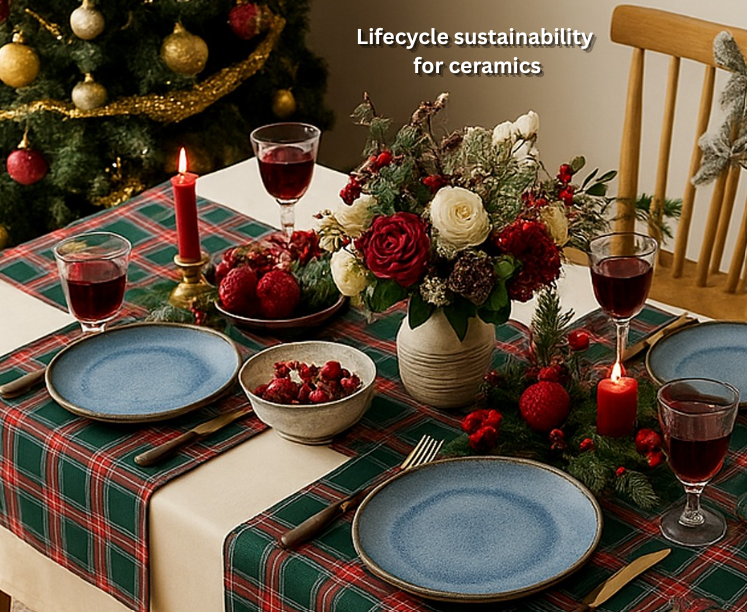
ในปัจจุบัน ผู้บริโภคเริ่มให้ความสำคัญกับ “ความยั่งยืน” มากขึ้น ไม่ใช่แค่เรื่องของสินค้าแฟชั่นหรืออาหาร แต่รวมถึงของใช้ในชีวิตประจำวันอย่าง “เซรามิก” ด้วย
หลายคนอาจมองว่าเซรามิกเป็นเพียงภาชนะหรือของตกแต่งบ้าน แต่จริง ๆ แล้ว เซรามิกมี “วงจรชีวิต” ตั้งแต่การเลือกวัตถุดิบ การผลิต การใช้งาน ไปจนถึงการกำจัดหรือรีไซเคิล ซึ่งทั้งหมดนี้ส่งผลต่อสิ่งแวดล้อม
💡 Lifecycle Sustainability คืออะไร?
คือ การมองผลกระทบของสินค้า “ตั้งแต่ต้นจนจบ” ไม่ใช่แค่ช่วงการใช้งาน
สำหรับเซรามิก จะครอบคลุม ดังนี้:
- การเลือกวัตถุดิบ
- กระบวนการผลิต
- การขนส่ง
- อายุการใช้งาน
- การนำกลับมาใช้ใหม่หรือกำจัด
เป้าหมายคือ:
👉 ลดผลกระทบต่อสิ่งแวดล้อมให้มากที่สุด
🏺 วงจรชีวิตของเซรามิก (Ceramic Lifecycle)

1. 🌱 วัตถุดิบ (Raw Materials)
เซรามิกส่วนใหญ่ผลิตจาก:
- ดิน
- แร่ธรรมชาติ
- น้ำ


2. 🔥 กระบวนการผลิต (Production)
ขั้นตอนนี้ใช้พลังงานสูง โดยเฉพาะ:
- การเผาเตาเซรามิก
- การเคลือบ
- การขนส่งวัตถุดิบ
โรงงานหรือสตูดิโอที่ใส่ใจเรื่อง sustainability มักจะ:
- ใช้เตาประหยัดพลังงาน
- ลดของเสียจากการผลิต
- นำเศษดินกลับมาใช้ใหม่


3. 🚚 การขนส่ง (Transportation)
การขนส่งมีผลต่อ carbon footprint ของสินค้า
- การใช้บรรจุภัณฑ์ที่ลดพลาสติก
- การวางแผน shipment ให้มีประสิทธิภาพ
- การผลิตใกล้แหล่งขายมากขึ้น


4. 🍽️ การใช้งาน (Usage Phase)
- เซรามิก:มีอายุการใช้งานยาวนาน หากใช้งานและดูแลอย่างเหมาะสม เซรามิกสามารถอยู่ได้นานหลายปี ลดการซื้อซ้ำและลดขยะ


5. ♻️ การนำกลับมาใช้ใหม่ (Reuse & Recycling)
- นำกลับมาตกแต่งสวน
- ใช้ในงานศิลปะ
- บดเป็นวัสดุก่อสร้างบางประเภทได้อีกครั้ง


🧠 วิธีทำให้ธุรกิจเซรามิกยั่งยืนมากขึ้น
- ใช้วัตถุดิบท้องถิ่น
- ลดของเสียจากการผลิต
- ใช้ packaging ที่เป็นมิตรต่อสิ่งแวดล้อม
✨ สรุป
Lifecycle Sustainability for Ceramics คือแนวคิดที่มอง “ผลกระทบของเซรามิกตลอดทั้งวงจรชีวิต” ตั้งแต่การผลิตจนถึงหลังการใช้งาน
แม้เซรามิกจะเป็นวัสดุที่แข็งแรงและใช้งานได้นาน แต่การผลิตอย่างรับผิดชอบและการออกแบบที่ยั่งยืน จะช่วยลดผลกระทบต่อสิ่งแวดล้อม และสร้างอนาคตที่ดีขึ้นให้กับทั้งผู้ผลิตและผู้บริโภค
Read English version
Lifecycle Sustainability for Ceramics: From Production to Everyday Use

Fashion and food are not the only industries focusing on sustainability anymore. Everyday products such as ceramics are also becoming part of the sustainability conversation.
Many people see ceramics simply as tableware or home décor. However, ceramics actually have a “lifecycle” that begins with raw material selection, continues through production and transportation, extends to usage, and ends with reuse or recycling. Every stage of this process has an impact on the environment.
💡 What is Lifecycle Sustainability?
Lifecycle Sustainability means evaluating the environmental impact of a product “from beginning to end,” not only during its usage phase.
For ceramics, this includes:
- Raw material selection
- Production processes
- Transportation
- Product lifespan
- Reuse or disposal
The main goal is: 👉 To reduce environmental impact as much as possible.
🏺 Ceramic Lifecycle

- 🌱 Raw Materials
Most ceramics are made from:
- Clay
- Natural minerals
- Water
2.🔥 Production
This stage requires a high amount of energy, especially for:
- Kiln firing
- Glazing
- Transportation of raw materials
Studios and factories that focus on sustainability often:
- Use energy-efficient kilns
- Reduce production waste
- Reuse leftover clay


3. 🚚 Transportation
Transportation contributes to the product’s carbon footprint.
Examples include:
- Using packaging with reduced plastic
- Planning shipments more efficiently
- Producing closer to the target market


4. 🍽️ Usage Phase
One of the key advantages of ceramics is their long lifespan.
When properly used and maintained, ceramics can last for many years, helping reduce repeated purchases and waste generation.


5. ♻️ Reuse & Recycling
Ceramics can be reused in many ways, such as:
- Garden decoration
- Art projects
- Crushed into materials for certain construction applications
🧠 How to Make Ceramic Businesses More Sustainable
- Use locally sourced materials
- Reduce production waste
- Use eco-friendly packaging


✨ Conclusion
Lifecycle Sustainability for Ceramics is the concept of understanding the environmental impact of ceramics throughout their entire lifecycle — from production to post-use management.
Although ceramics are durable and long-lasting materials, responsible production and sustainable design can help reduce environmental impact while creating a better future for both producers and consumers.
Leave a Reply