
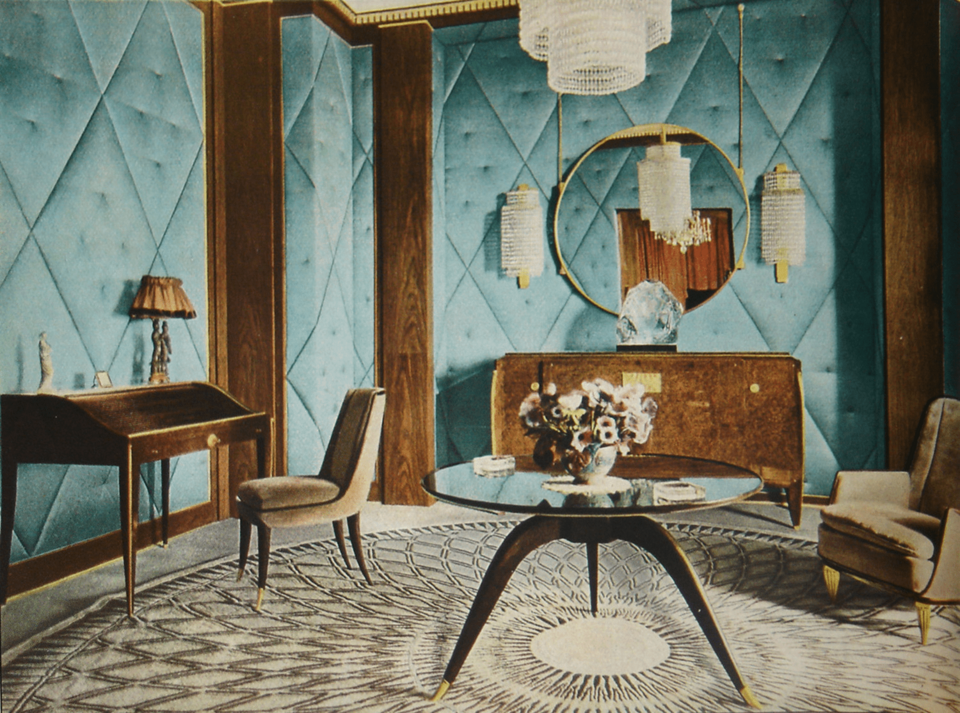
Art Deco หรือ “อาร์ต เดโค” เป็นกระแสศิลปะและการออกแบบที่ได้รับความนิยมอย่างมากในช่วงทศวรรษ 1920–1930
กระแสนี้สะท้อนความมั่นใจ ความหรูหรา และความก้าวหน้าทางเทคโนโลยีของโลกยุคใหม่ หลังจากสิ้นสุดสงครามโลกครั้งที่ 1
Art Deco ผสมผสานความงามของงานฝีมือเข้ากับความทันสมัยของอุตสาหกรรม โดยเน้นรูปทรงเรขาคณิต ความสมมาตร และวัสดุที่หรูหรา
ด้วยเอกลักษณ์ที่โดดเด่น Art Deco จึงกลายเป็นหนึ่งในรูปแบบการออกแบบที่ทรงอิทธิพลที่สุดในศตวรรษที่ 20 และยังคงเป็นแรงบันดาลใจให้กับนักออกแบบทั่วโลกจนถึงปัจจุบัน
จุดกำเนิดของ Art Deco
Art Deco มีต้นกำเนิดในประเทศฝรั่งเศส และได้รับการเผยแพร่อย่างเป็นทางการผ่านงานนิทรรศการ
Exposition Internationale des Arts Décoratifs et Industriels Modernes

ที่จัดขึ้นในกรุงปารีส เมื่อปี ค.ศ. 1925
ชื่อ “Art Deco” จึงมาจากคำว่า
Arts Décoratifs
หรือ “ศิลปะการตกแต่ง”
Art Deco เกิดขึ้นในช่วงที่สังคมกำลังเปลี่ยนผ่านเข้าสู่ยุคสมัยใหม่ ผู้คนเริ่มหลงใหลในเทคโนโลยี การคมนาคม เครื่องจักร ตึกระฟ้า และวิถีชีวิตเมือง
แนวคิดเหล่านี้ถูกนำมาผสมผสานเข้ากับงานศิลปะและการออกแบบ จนกลายเป็นสไตล์ที่โดดเด่นและแตกต่างจากกระแสก่อนหน้าอย่าง Art Nouveau
แนวคิดสำคัญของ Art Deco
Art Deco ให้ความสำคัญกับ
ความทันสมัย (Modernity)
สะท้อนความก้าวหน้าของเทคโนโลยี อุตสาหกรรม และวิถีชีวิตสมัยใหม่
ความหรูหรา (Luxury)
นิยมใช้วัสดุคุณภาพสูง เช่น ทอง เงิน งาช้าง ไม้หายาก และหินอ่อน
ความเป็นระเบียบ (Order)
เน้นรูปทรงเรขาคณิต ความสมมาตร และโครงสร้างที่ชัดเจน
ความก้าวหน้า (Progress)
สะท้อนความเชื่อมั่นในอนาคตและศักยภาพของมนุษย์
ลักษณะเด่นของ Art Deco
1. รูปทรงเรขาคณิต
Art Deco นิยมใช้
- สามเหลี่ยม
- สี่เหลี่ยม
- วงกลม
- เส้นซิกแซก
- รูปทรงขั้นบันได
เพื่อสร้างความรู้สึกทันสมัยและเป็นระเบียบ
2. ความสมมาตร
ผลงาน Art Deco มักมีองค์ประกอบที่สมดุลและจัดวางอย่างแม่นยำ
แตกต่างจาก Art Nouveau ที่เน้นเส้นโค้งและความเป็นธรรมชาติ
3. วัสดุหรูหรา
นักออกแบบนิยมใช้
- ทอง
- เงิน
- โครเมียม
- กระจก
- หินอ่อน
- ไม้หายาก
เพื่อสะท้อนความมั่งคั่งและความสง่างาม
4. ลวดลายที่ได้รับแรงบันดาลใจจากโลกสมัยใหม่
เช่น
- ตึกระฟ้า
- เครื่องบิน
- รถยนต์
- แสงไฟเมือง
- เครื่องจักร
รวมถึงอารยธรรมโบราณ เช่น อียิปต์ แอฟริกา และเมโสโปเตเมีย
ศิลปินและนักออกแบบสำคัญ
Émile-Jacques Ruhlmann

นักออกแบบเฟอร์นิเจอร์ชาวฝรั่งเศสที่ได้รับการยกย่องว่าเป็นหนึ่งในบุคคลสำคัญของ Art Deco ผลงานของเขามีชื่อเสียงด้านความหรูหรา วัสดุคุณภาพสูง และงานฝีมือที่ประณีต

René Lalique

นักออกแบบเครื่องประดับและเครื่องแก้วชาวฝรั่งเศส ผู้ผสมผสานความหรูหราเข้ากับรูปทรงที่ทันสมัย จนกลายเป็นสัญลักษณ์ของ Art Deco

Tamara de Lempicka

จิตรกรหญิงผู้มีชื่อเสียงจากภาพบุคคลที่สะท้อนความสง่างาม ความมั่นใจ และวิถีชีวิตแบบชนชั้นสูงในยุค Art Deco

Art Deco กับสถาปัตยกรรม
Art Deco มีอิทธิพลอย่างมากต่อสถาปัตยกรรมในช่วงต้นศตวรรษที่ 20
อาคารที่มีชื่อเสียง ได้แก่
Chrysler Building

นครนิวยอร์ก ประเทศสหรัฐอเมริกา หนึ่งในตัวอย่างที่โดดเด่นที่สุดของสถาปัตยกรรม Art Deco
Empire State Building

อาคารที่สะท้อนความทะเยอทะยานและความก้าวหน้าของยุคอุตสาหกรรม
Rockefeller Center

ศูนย์กลางธุรกิจและวัฒนธรรมที่ได้รับอิทธิพลจาก Art Deco อย่างชัดเจน
Art Deco กับงานออกแบบและเซรามิก
Art Deco ส่งอิทธิพลต่อ
- เฟอร์นิเจอร์
- เซรามิก
- เครื่องแก้ว
- สิ่งทอ
- Graphic Design
- Interior Design
โดยเฉพาะในงานเซรามิก นักออกแบบเริ่มใช้รูปทรงที่เรียบง่ายขึ้น มีความสมมาตร และเน้นความสง่างามมากกว่าการตกแต่งที่ซับซ้อน

รูปทรงเรขาคณิตและการใช้สีที่ตัดกันอย่างชัดเจน กลายเป็นเอกลักษณ์สำคัญของเซรามิกในยุค Art Deco
อิทธิพลต่อการออกแบบสมัยใหม่
Art Deco ส่งอิทธิพลต่อกระแสการออกแบบในยุคต่อมา เช่น
- Modern Design
- Industrial Design
- Luxury Branding
- Contemporary Architecture
- Interior Design
แนวคิดเรื่องความเรียบหรู ความสมมาตร และการผสมผสานศิลปะเข้ากับเทคโนโลยี ยังคงถูกนำมาใช้ในงานออกแบบร่วมสมัยทั่วโลก
สรุป
Art Deco คือกระแสศิลปะและการออกแบบที่สะท้อนความหรูหรา ความทันสมัย และความเชื่อมั่นในอนาคต
ด้วยการผสมผสานรูปทรงเรขาคณิต วัสดุหรูหรา และแรงบันดาลใจจากเทคโนโลยีสมัยใหม่ Art Deco จึงกลายเป็นหนึ่งในสไตล์การออกแบบที่ทรงอิทธิพลที่สุดในประวัติศาสตร์
แม้เวลาจะผ่านมากว่าหนึ่งศตวรรษ แต่เสน่ห์ของ Art Deco ยังคงปรากฏอยู่ในสถาปัตยกรรม งานออกแบบ และศิลปะร่วมสมัยทั่วโลกจนถึงปัจจุบัน
Read English version
Art Deco: The Art of Luxury, Modernity, and Progress

Art Deco was one of the most influential art and design movements of the 1920s and 1930s. It reflected the optimism, luxury, and technological advancement of the modern world following the end of World War I.
Combining fine craftsmanship with industrial innovation, Art Deco emphasized geometric forms, symmetry, and luxurious materials. Its distinctive aesthetic became a symbol of modern life and continues to inspire artists, architects, and designers around the world today.
The Origins of Art Deco
Art Deco originated in France and gained international recognition through the famous exhibition:
Exposition Internationale des Arts Décoratifs et Industriels Modernes
held in Paris in 1925.
The name “Art Deco” is derived from the term Arts Décoratifs, meaning “Decorative Arts.”
The movement emerged during a period of rapid social and technological change. People were fascinated by automobiles, airplanes, skyscrapers, machinery, and urban lifestyles. These influences were incorporated into art and design, creating a style that differed significantly from the organic forms of Art Nouveau.
Key Ideas Behind Art Deco
Art Deco celebrated several important ideals:
Modernity
Art Deco embraced technological innovation, industrial development, and contemporary lifestyles.
Luxury
Designers often used high-quality materials such as gold, silver, ivory, marble, exotic woods, and precious stones.
Order
The movement favored geometric forms, symmetry, and structured compositions.
Progress
Art Deco reflected confidence in the future and the potential of human achievement.
Characteristics of Art Deco
1. Geometric Forms
Art Deco frequently incorporated:
- Triangles
- Rectangles
- Circles
- Zigzag patterns
- Stepped forms
These elements created a sense of order, sophistication, and modernity.
2. Symmetry
Art Deco designs are often balanced and carefully organized, creating a strong visual harmony.
3. Luxurious Materials
Common materials included:
- Gold
- Silver
- Chrome
- Glass
- Marble
- Exotic woods
These materials emphasized elegance and refinement.
4. Inspiration from the Modern World
Designers drew inspiration from:
- Skyscrapers
- Airplanes
- Automobiles
- Electric lighting
- Industrial machinery
Art Deco also incorporated motifs from ancient civilizations such as Egypt, Africa, and Mesopotamia.
Important Artists and Designers
Émile-Jacques Ruhlmann
A French furniture designer known for creating luxurious pieces with exceptional craftsmanship and refined materials.
René Lalique
A French jewelry and glass designer celebrated for combining elegance with modern forms, becoming one of the defining figures of Art Deco.
Tamara de Lempicka
A renowned painter whose portraits captured the glamour, confidence, and sophistication of the Art Deco era.
Art Deco Architecture
Art Deco had a significant impact on architecture during the early twentieth century.
Famous examples include:
Chrysler Building
Located in New York City, it is one of the most iconic Art Deco skyscrapers in the world.
Empire State Building
A symbol of ambition, innovation, and industrial progress.
Rockefeller Center
A major cultural and business complex showcasing many Art Deco design principles.
Art Deco and Decorative Arts
Art Deco influenced a wide range of creative fields, including:
- Furniture Design
- Ceramics
- Glassware
- Textiles
- Graphic Design
- Interior Design
In ceramics, designers adopted cleaner forms, stronger symmetry, and bold color contrasts. Geometric decoration became a defining characteristic of Art Deco pottery and tableware.
Influence on Modern Design
Art Deco continues to influence:
- Modern Design
- Industrial Design
- Luxury Branding
- Contemporary Architecture
- Interior Design
Its principles of elegance, symmetry, and the integration of art with technology remain highly relevant today.
Conclusion
Art Deco represents a celebration of luxury, modernity, and progress.
Through its use of geometric forms, sophisticated materials, and inspiration from technological advancement, Art Deco became one of the most influential design movements in history.
More than a century later, its legacy can still be seen in architecture, design, fashion, and contemporary visual culture around the world.
Leave a Reply